

Our daily lives are shaped by many elements.
Clothing, everyday tools of all kinds, food, and the home itself.
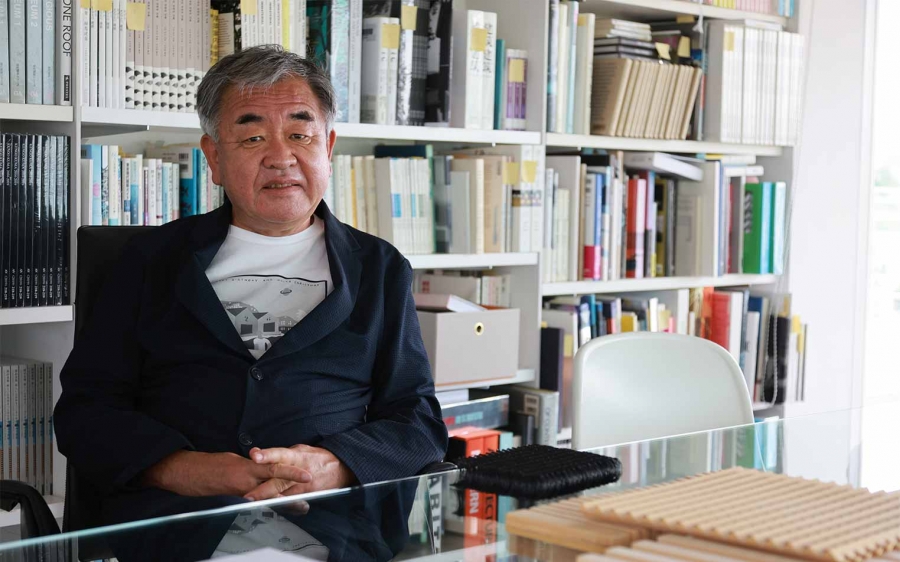
An architect who has long explored the question, “How can people live comfortably?” from the perspective of architecture, and a maker who has approached the same question through craft, have come together. From this meeting, a new form of making begins—one in which architecture and craft become closely connected.
This is the “Kuma to Shika” project.
“Kuma” refers to architect Kengo Kuma, whose work blends into the environment and culture of each place, with careful attention to materials.
“Shika” refers to Nakagwa, whose making draws on materials, techniques, and customs from across Japan.
With a shared philosophy, the two propose a form of contemporary craft shaped by architectural thinking and material sensibility.
“Recently, I have come to feel that architectural design is not simply about designing buildings.
It must be about designing the way we live.
The current context of architecture stands in contrast to the era of rapid growth, when the goal was simply to build bigger and taller.
Today, the aim is no longer the act of building itself, but to consider how people will live within it. That has become the role of the architect.
Craft sits closest to daily life.
By reconsidering craft, I hope to think about and propose new ways of living.
I would like to explore this together with Nakagwa, who continue to pursue what craft can be today.”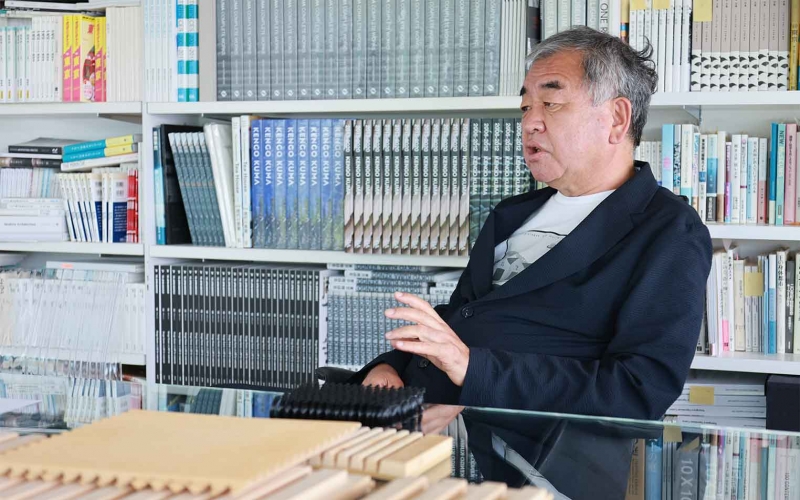
The origins of this project, which may reshape the very definition of an architect’s work, can be traced back to the Great East Japan Earthquake in 2011.
The beginning was in Tohoku
“We often visit the sites and regions where our buildings are made. We take what we encounter there—the character of the land—and reflect it in our architecture. It is also important to us to build relationships with the people of the region throughout the design process.”
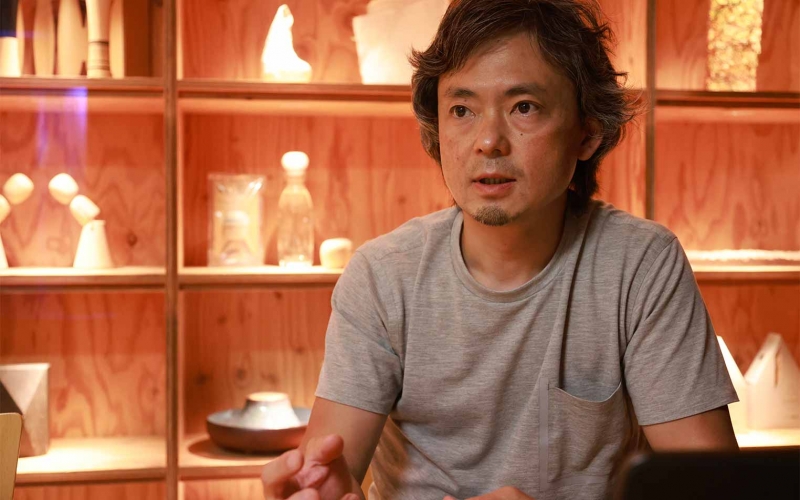
So explains Kazuhiko Miyazawa of Kengo Kuma & Associates, one of the team members behind the Kuma to Shika project. He describes Kuma himself as “someone driven by curiosity, and this is a studio shaped by that same spirit”.
Because they have always valued these connections with local communities, the events of 2011 had a profound impact on Kuma and the team.
“Many of the craftspeople we worked with in Tohoku were affected, and we began to think about what we could do.
That led to the launch of the ‘East Japan Project (EJP)’, which aimed to support making in the region.”
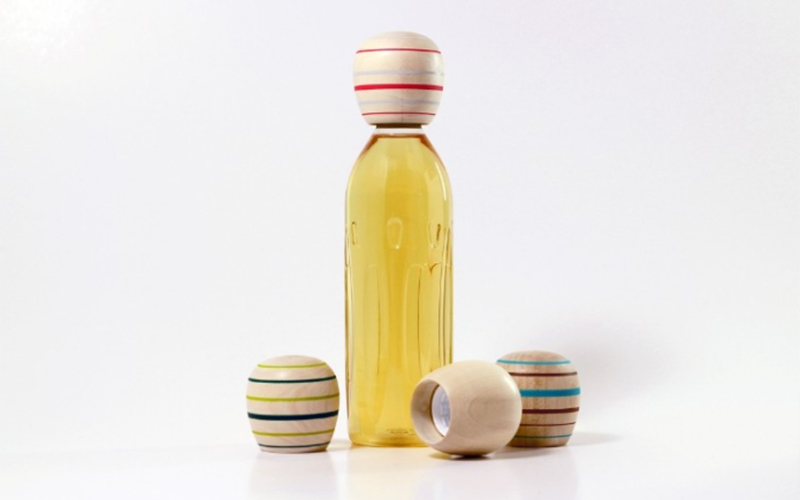
They invited several designers they knew to collaborate with local craftspeople, developing original products and selling them through a dedicated website. However, challenges soon became apparent.
“We had no knowledge of retail. Even basic matters—such as how to calculate costs or determine production quantities—were unfamiliar. We had to search for a way to create a cycle where proper profit could be returned to the makers.”
The project continued for nine years, through trial and exploration. During that time, a new realisation emerged.
**The role of an architectural practice in making objects**
“In another project—a welfare facility—there was a proposal to collaborate with a local manufacturer and the facility’s users to create and sell original products.
Through the design process, we encounter many materials and techniques unique to each place, and we incorporate them into architecture. But once a building is completed, we have had no way to carry those elements forward.
In the end, that product did not reach the stage of being sold. But it made us realise that, if there were objects like this, the relationship between architecture and the region could continue even after completion.”
They understood the value of local materials, people, and skills. What remained was to translate these into tangible objects and bring them into circulation.
“Through architecture and making, perhaps we can support regions across Japan—not only Tohoku—that we have worked with.”
It was at this point, having rediscovered the meaning of engaging in making, that Kengo Kuma & Associates met Nakagwa.
From the architectural practice came ideas rooted in architecture and regional materials.
From Nakagwa came the knowledge to transform materials and ideas into tools for daily life, along with systems for distribution.
Six items make their debut
“To gather materials, we brought together designers within the studio and formed three teams: a team of mothers raising children, a digitally focused team, and a team specialising in materials.
Construction sites contain a wide range of materials, so we explored them from different perspectives, asking what might be possible.”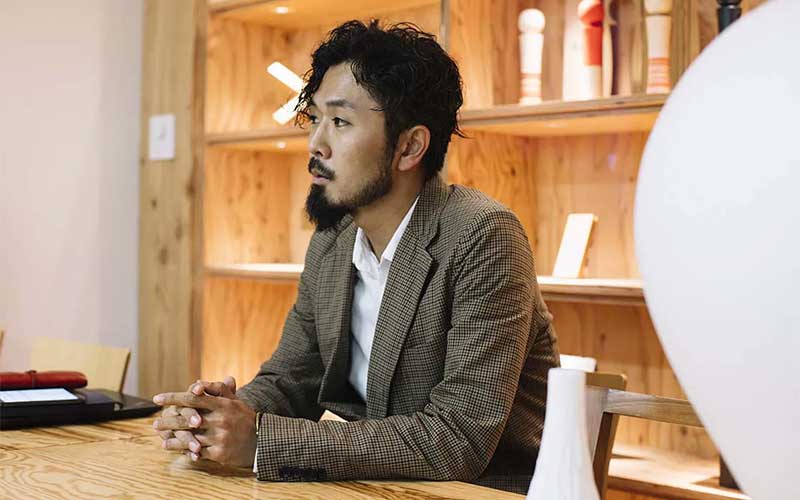
his insight into the making process comes from Toshin Horiki, another member of the Kuma to Shika project.
The six items now introduced each carry ideas and materials distinctive to architecture.
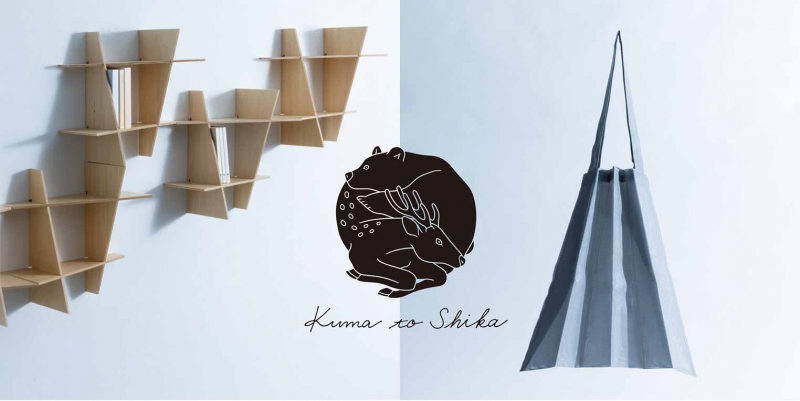
A bag and pouch made from debris-prevention mesh, valued for strength and transparency
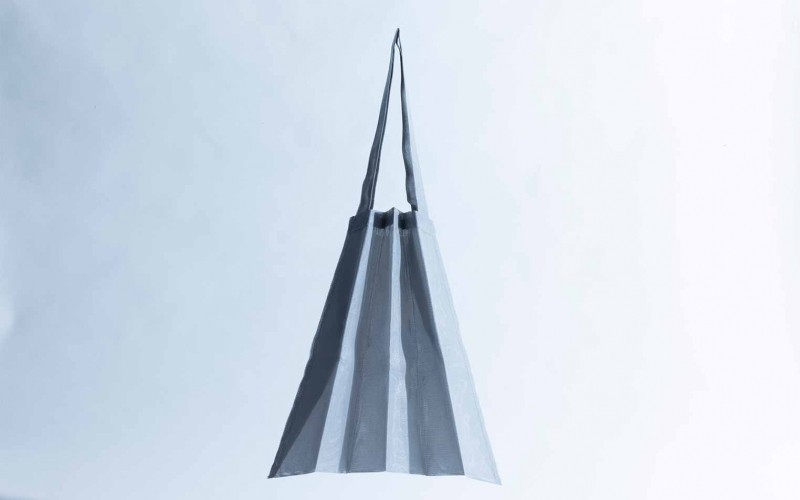
The first is a tote bag, characterised by its bold folds, made from mesh sheeting used on construction sites to prevent debris scattering.
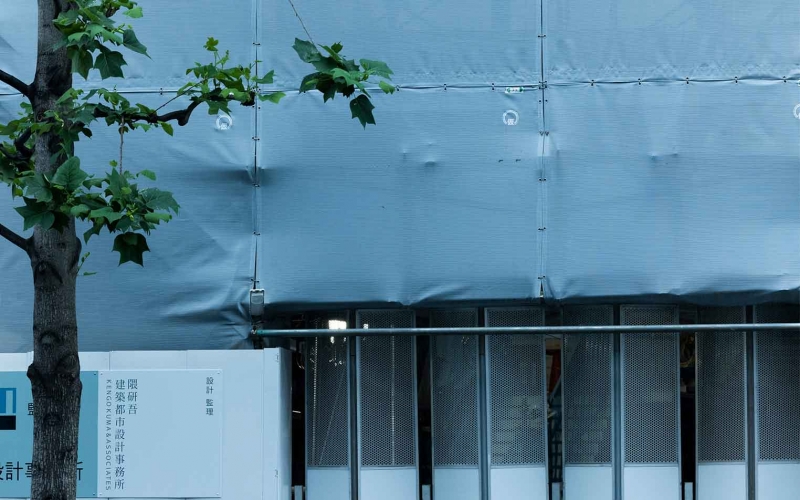
“In the mothers’ design team, there was a textile specialist. She proposed this mesh sheeting. It is widely used on construction sites, and its strength and transparency suggested it might suit bags and pouches.”
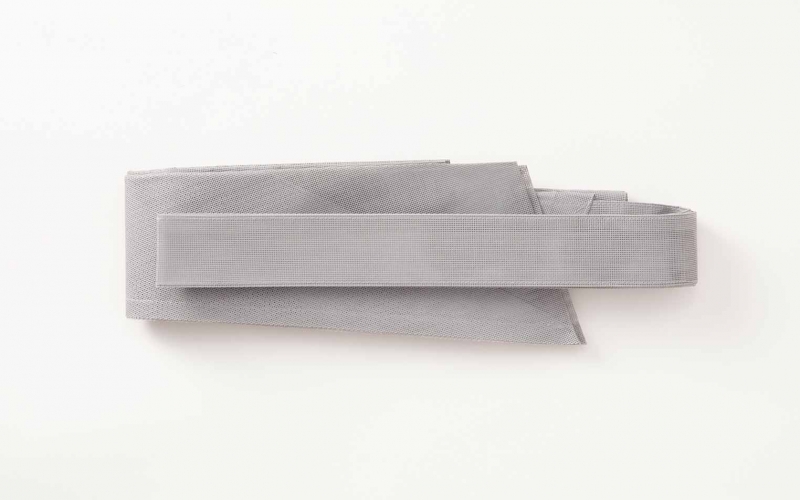
With a load capacity of 15kg for the smaller size and 45kg for the larger, it reflects the durability of industrial materials. At the same time, it can be folded compactly for carrying and expanded to hold ample belongings.
Both practical experience and daily life perspectives are reflected in the design.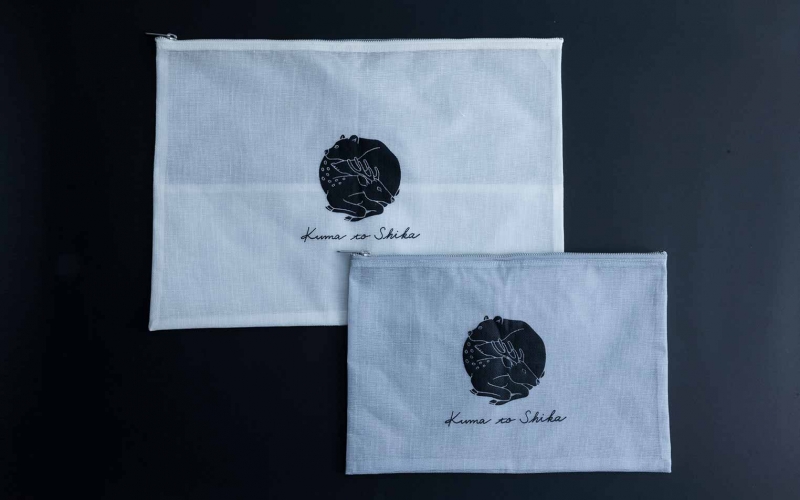
The flat pouch in the same series combines this mesh with kaya-ori—a loosely woven fabric traditionally used for mosquito netting in Nara—finished with a vinyl coating. The transparency of the mesh allows the contents to be seen at a glance.
Plant-dyed cloths and handkerchiefs using materials familiar to construction sites
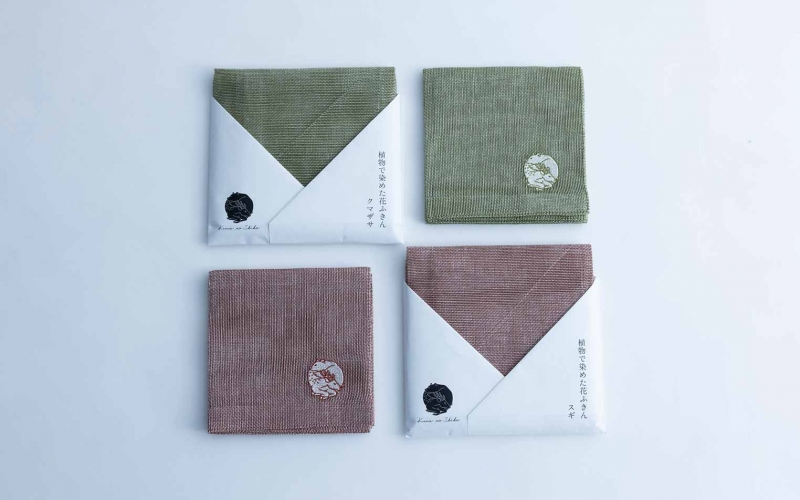
These cloths and kaya-ori gauze handkerchiefs are dyed using a botanical dye technique. The dyes include kumazasa bamboo grass and cedar—uncommon choices for plant dyeing.
“Cedar is a widely used building material found throughout Japan, and kumazasa is also a familiar presence around buildings. From the perspective of daily life, we felt their colours might also be appreciated as they change with use.”
A wooden display shelf that brings architectural thinking into the home
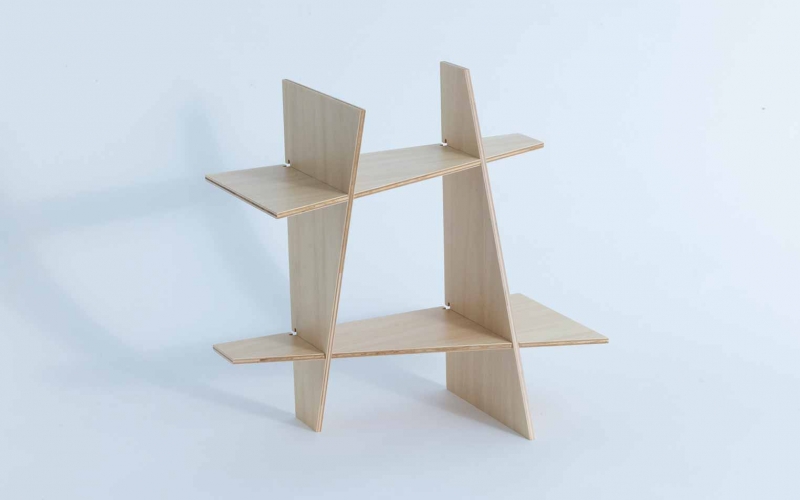
This display piece draws on structural techniques from architecture. It originated from the digital design team.
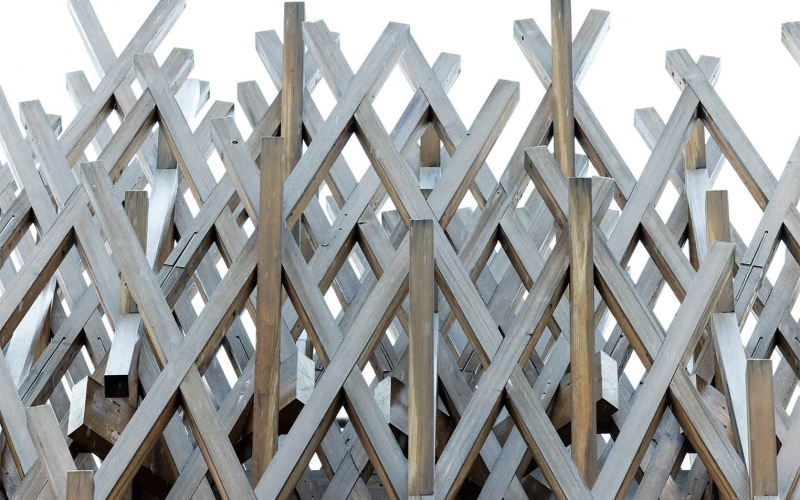
“In Japanese timber architecture, joinery techniques are used not only in structural elements but also in decorative details, elevating wood into surfaces that shape space.
This shelf applies those techniques in a geometric form. Without using screws, simple trapezoidal components are combined to create an expressive structure. It can be hung on the wall with hooks or arranged in sequence to form a surface with depth and rhythm.
Using two or three together creates continuity and enhances its presence. It may even bring a sense of ‘Kuma-isation’ into the home.”
A magnet made from tile—architecture in a small form
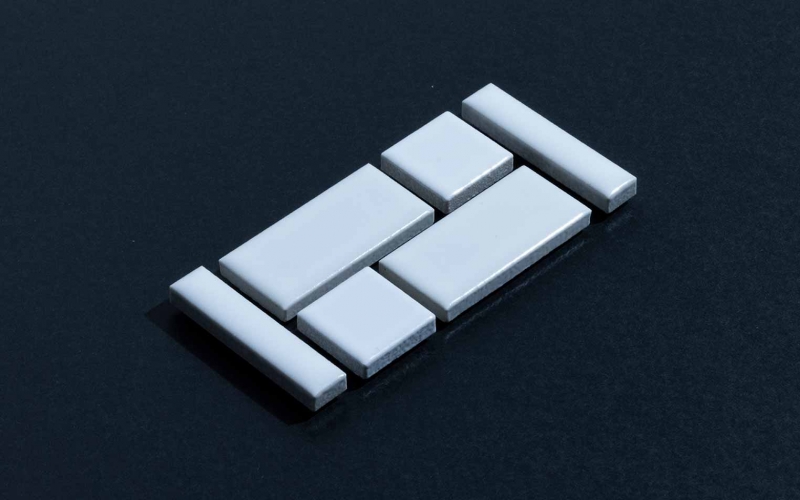
This magnet uses Mino ware tiles typically found on building exteriors and interiors.
“It captures one of the pleasures of this project—being able to take home a piece of architecture. Tiles themselves can be seen as architectural craft.”
A folded washi tapestry designed with attention to surface texture
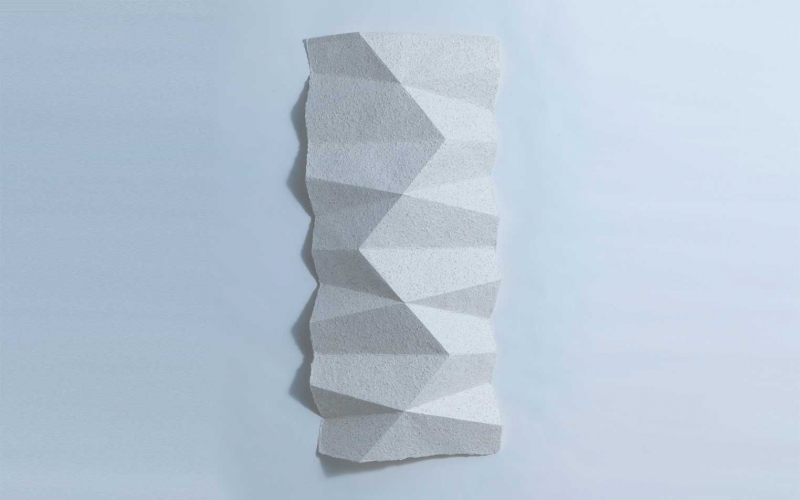 A tapestry made by hand, with wood chips embedded into washi during the papermaking process. It can be displayed like an object, blending naturally into both Japanese and Western interiors. The roughly textured wood chips, scattered at random within the paper, give the impression that the material has returned to its original form as wood.
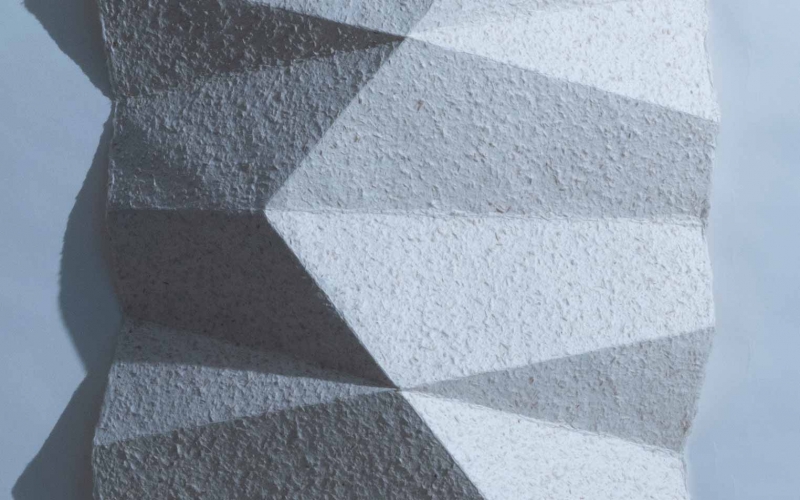
“The wood chips used are Yoshino cypress. When considering interior materials, we pay close attention to the degree of surface texture. We think about how coarse or fine a material should be, and at what interval, in relation to its surroundings. Architecture is designed with a focus on the rhythm and expression created by the use of materials.
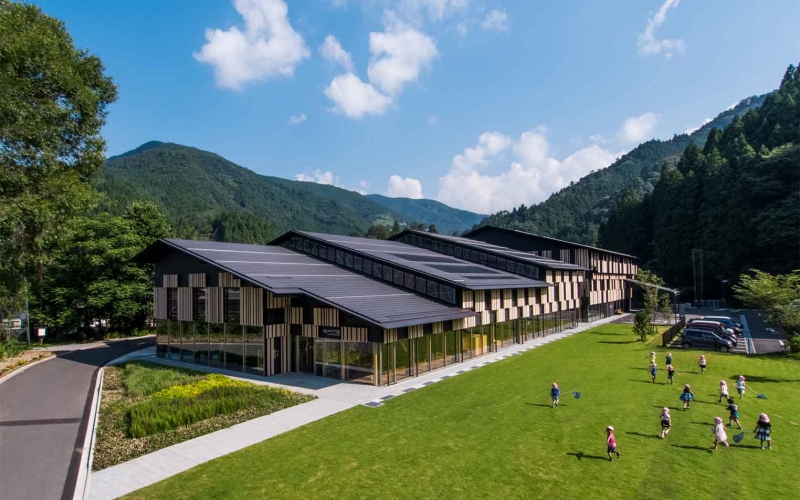
For example, in a library in Yusuhara, surrounded by forest, we used a coarser pitch for the exterior. In an urban setting with more glass, we might use a finer pitch. The design is adjusted according to the environment.
Unlike architecture, this piece may be placed in many different settings, so we considered a level of texture that would feel natural within the home.”
A copper tray shaped through a technique that retains the marks of making
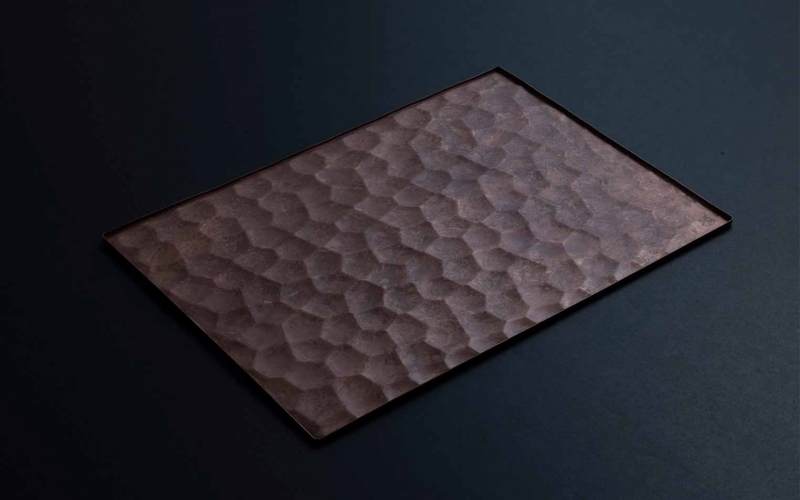
The surface of this tray is finished using a technique inspired by naguri, a traditional method of leaving tool marks in wood to create texture. By applying this to a thin sheet of copper, the tray gains both strength and a distinctive surface.
It is well suited for use as a base to display objects.
“This idea came from the materials specialist team. When placed in a softly lit space, the movement of light across the surface becomes visible. It reflects an architectural perspective, where light and environment are considered together.”
Tools for living that gently shift our way of seeing
The Kuma to Shika series has taken shape through a dialogue between architectural thinking and the realities of daily life. For those involved, it has brought new insights.
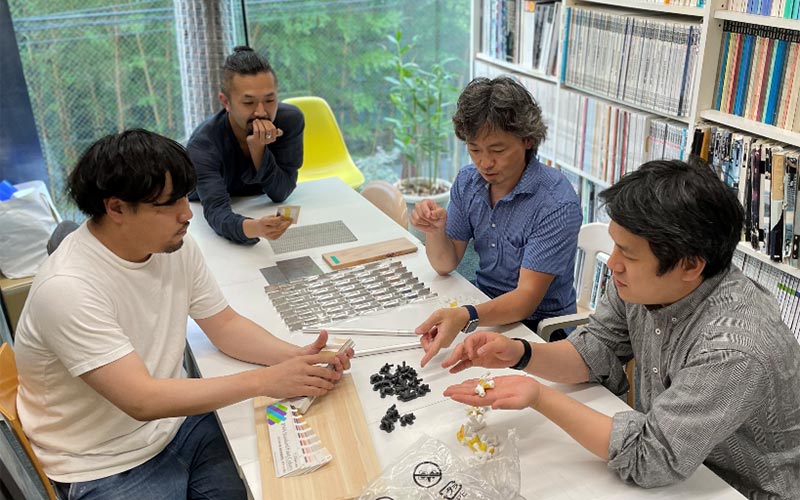
“In architecture, design begins with a clear understanding of the environment in which a building will stand. But objects for daily life are handed over without knowing where they will be used. That is a very different way of thinking.
At the same time, both architecture and craft share a concern for how something feels to the human body—not just how it appears. We hope people will experience these qualities through sight and touch.” (Miyazawa)
“These items are not simply tools for use. They are made with the intention of gently shifting how we perceive things, through the stories of the materials and places behind them.
Even within the team, their release feels fresh. If they can also prompt a reconsideration of what ‘architectural work’ means, that would be meaningful.” (Horiki)
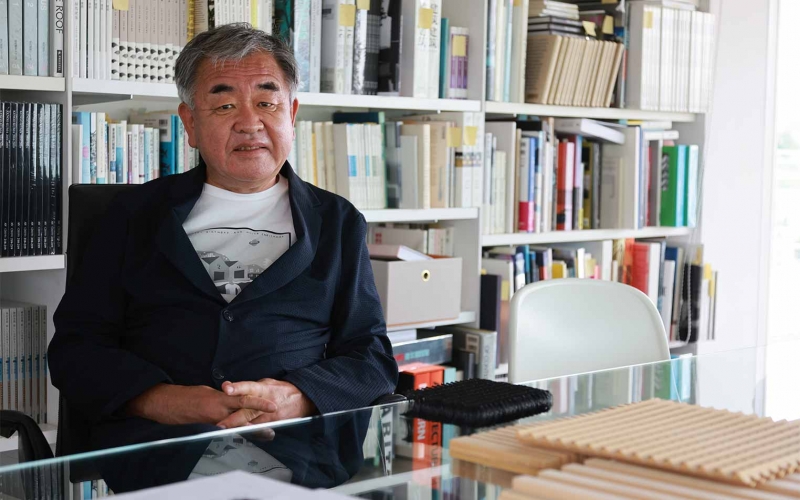
“We have taken materials we encounter on construction sites and explored them at a different scale and resolution.
At the outset, we were conscious of creating new forms of activity centred around completed buildings. Going forward, we hope to approach the realities of human life more closely, through various forms of expression.” (Kuma)
The story of Kuma to Shika—one that moves between architecture and craft—now begins.
Text: Kanako Ojima

![Akiko Nagao of minokamo on a Table Set Around “Lifting the Lid” [Omekashi Jubako Edition]](http://nakagawa1716.com/cdn/shop/articles/H1_7859-1_c7cc972b-b4b9-427c-93fb-7adbee4160ec.webp?v=1783934968&width=1066)


